


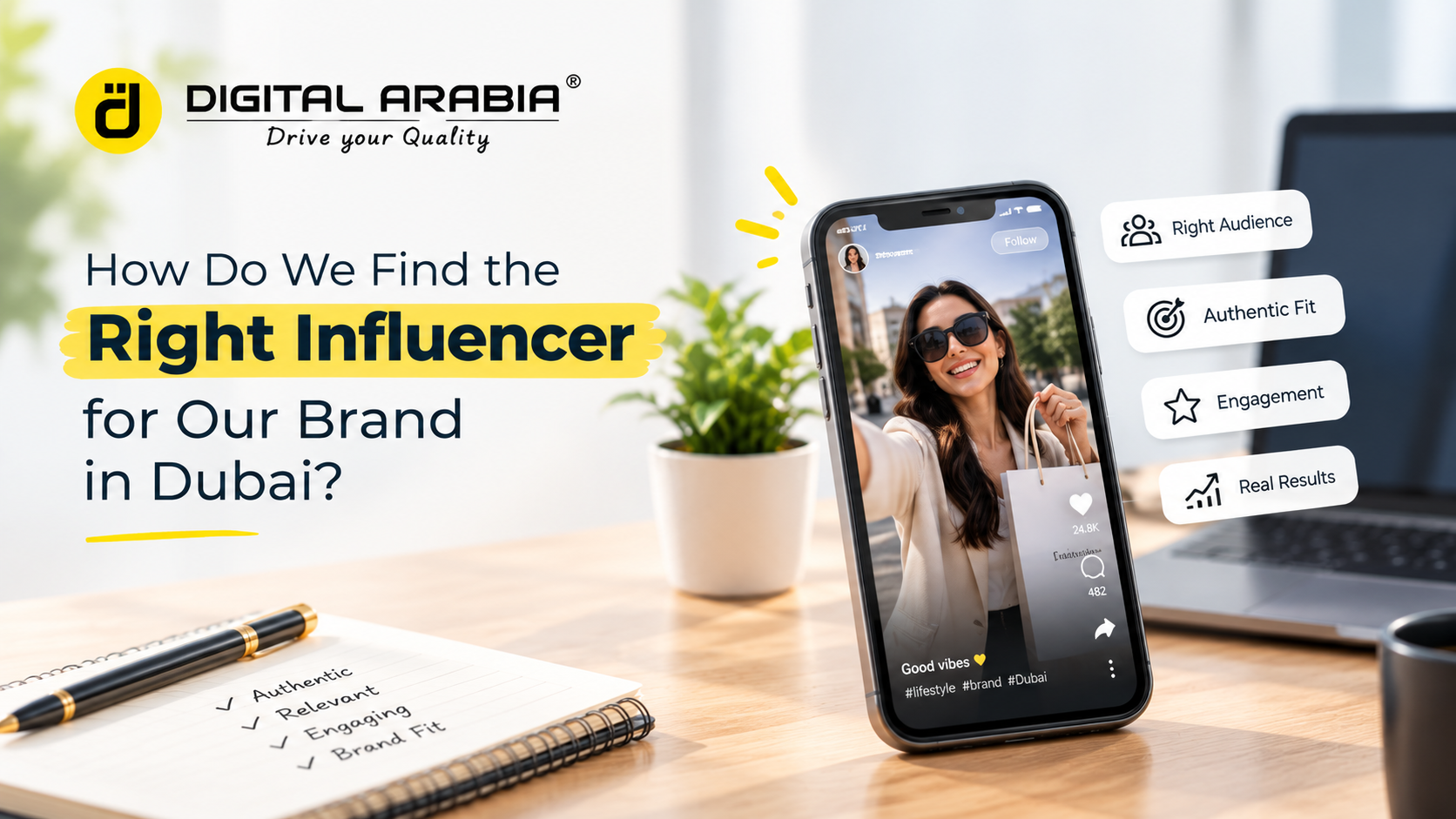
The right influencer for a Dubai brand is chosen by audience overlap and engagement quality, not follower count. A micro-influencer with 20,000 engaged, locally relevant followers regularly outperforms a celebrity account with a million broad, disengaged ones. This is especially true for conversion-focused campaigns where the goal is enquiries, bookings, or sales rather than visibility alone.
Dubai is one of the most crowded creator markets in the region. Residents and tourists scroll through branded content every day, and audiences can tell when a post is a paid script rather than a real recommendation. Choosing well is the difference between a campaign that generates leads and one that generates only likes.
Why Follower Count Is a Poor Measure
Follower count is easy to compare, which is why so many brands default to it. But a large number says little about who those followers are, where they live, or whether they act on what the creator posts.
In the UAE this matters more than in most markets. A creator’s audience may be spread across India, Europe, and the wider GCC. If your business serves customers in Dubai, only a fraction of that reach is useful. A restaurant in Jumeirah gains little from followers who will never visit. Many accounts also carry inactive or purchased followers, which inflates reach without adding real attention.
Instead of asking “how many followers do they have?”, ask “how many of them could realistically buy from us?”
Micro vs Macro: What Actually Converts
Both tiers have a role, and the right mix depends on your objective.
Macro-influencers build broad brand awareness quickly. They suit product launches, event announcements, and campaigns where being seen everywhere matters more than immediate sales. The trade-off is a higher fee and usually lower engagement per follower.
Micro-influencers (10K–100K followers) tend to have higher trust and engagement within a specific niche. Their followers often see them as a knowledgeable peer rather than a public figure, which usually converts better for direct sales or bookings. A fitness creator with a loyal local audience can move more memberships than a lifestyle celebrity with ten times the reach.
For most SME budgets, a group of well-matched micro-influencers delivers a stronger cost-per-engagement than a single high-fee macro post. Many brands get the best results by combining the two. A macro creator builds awareness at the top, while micro creators drive action closer to the purchase decision. A dedicated social media marketing strategy helps tie these layers together so they support each other rather than compete.
Vetting for Fit, Not Just Reach
Vetting is where most campaigns are won or lost. We check four things before recommending any creator:
- Audience location. We look at the geographic split of followers, so your budget reaches people who can actually become customers.
- Engagement rate. We compare likes, comments, and shares against follower count to spot accounts with real interaction.
- Comment quality. Meaningful comments and questions show a real audience. Generic emojis or repeated phrases can signal bought engagement.
- Content and tone fit. We review whether the creator’s past content genuinely suits the brand. A mismatch in tone undermines a campaign no matter how large the following.
A luxury property developer and a budget grocery chain need very different voices, even if both want reach in the same city. This is also why industry-specific marketing experience helps. Creators who work well for retail rarely suit a real estate campaign without adjustment.
Matching the Platform to Your Objective
The right creator on the wrong platform still underperforms. Each channel serves a different purpose:
- Instagram remains the main platform for lifestyle, fashion, food, and retail. Our Instagram marketing work uses Reels, Stories, and carousels to move people from discovery to enquiry.
- TikTok suits brands that want to reach younger audiences with short, entertaining content. TikTok marketing rewards creativity and trend awareness over polish.
- YouTube is best for detailed reviews, tutorials, and unboxing content where viewers want depth before buying. YouTube marketing content also stays discoverable for months.
- Snapchat works well for reaching a younger audience in the UAE with quick, informal content.
Start with where your customers already spend their time, then choose creators who are strong on that platform.
How a Well-Run Influencer Campaign Works
Good campaigns follow a clear structure, so nothing depends on guesswork.
- Strategy. Set the goal (awareness, leads, or sales), the audience, and the budget before contacting a single creator.
- Selection and contracting. Shortlist creators using the vetting criteria above, then agree on deliverables, usage rights, timelines, and payment terms in writing.
- Content production. Give creators clear guidelines but leave room for their own voice. Overly scripted posts feel like ads and get ignored.
- Reporting. Track results against the original goal and use them to improve the next campaign.
Influencer content also supports other channels. Creator posts can drive traffic to your website, and when they link to it, they can support your SEO authority over time. Strong posts can also be repurposed as ad creative, which is where pay per click advertising helps extend their reach.
Measuring ROI in the UAE Market
Likes and views are easy to report, but they rarely show whether a campaign made money. In the UAE market, we tie results directly to specific posts using trackable tools:
- Unique discount codes for each influencer, so every sale can be traced to its source.
- Tracked links with UTM parameters, so traffic and behaviour show up in your analytics.
- WhatsApp-specific numbers, which matter in a region where many customers prefer to message a business before buying.
- Dedicated landing pages that show exactly how many visitors each creator sent and how many converted.
This approach lets us tie inquiries and sales directly back to a specific influencer post, rather than relying on vanity metrics like likes or views. Once traffic arrives, your landing page needs to convert it. Pairing influencer campaigns with conversion rate optimization and a solid lead generation setup means the interest creators generate isn’t lost after the click.
Common Mistakes to Avoid
- Choosing by price or popularity alone. The cheapest or biggest creator is rarely the best fit.
- Skipping tracking. Without codes, links, or landing pages, you can’t tell which creators worked.
- Over-controlling the content. Audiences trust creators because of their voice. Too much scripting erodes that trust.
- Running one-off posts. A single post seldom builds recognition. Repeated exposure from a trusted creator does more.
- Ignoring local relevance. Content that doesn’t reflect UAE audiences, language, and culture feels out of place.
Why It’s Us
We’ve run influencer campaigns for retail, hospitality, and real estate brands across the GCC since 2016. Our vetting process is built from the campaigns we’ve seen actually convert here, not just industry benchmarks from other regions. You can learn more about our team and the approach behind our work.
Frequently Asked Questions
How much do influencers charge in Dubai?
Micro-influencers typically charge AED 500–3,000 per post, while established macro-influencers can charge AED 10,000 and up, depending on platform and content format. Video content, multi-post packages, and usage rights usually raise the price.
Do micro-influencers work better than big names?
For most SME budgets, yes. Micro-influencers usually deliver a stronger cost-per-engagement and higher trust within a specific audience segment. Big names still make sense when broad awareness is the priority.
How do we track ROI from an influencer campaign?
Unique promo codes, UTM-tagged links, and dedicated landing pages let us attribute inquiries and sales to a specific influencer and post. We also use WhatsApp-specific numbers to capture messaging enquiries.
How long does an influencer campaign take to show results?
Engagement appears within days of posting, but sales and lead patterns usually become clear over four to eight weeks. Multi-post campaigns build stronger recognition than a single post.
Can influencer marketing support local businesses?
Yes. Local creators with a nearby audience can drive foot traffic for clinics, restaurants, and shops, especially when paired with strong local SEO so new customers can find you easily.
Ready to Find the Right Creators?
Need help shortlisting influencers who actually match your audience? We’ll handle the vetting and the tracking. Contact us today, or request a strategy consultation to plan your next campaign.